
The FBI’s November 13 cyber alert warns that malicious actors have been using ARTEX, an open-source large-language-model-driven penetration-testing framework, to automate parts of real intrusions. The advisory says campaigns have targeted organisations across financial services, government, technology, defence, energy, healthcare, manufacturing and other sectors since at least August 2026.
The warning is not a claim that every attack is autonomous or that every company using AI tools is compromised. It describes a framework that criminals have weaponised to connect stages of an intrusion more quickly. The FBI says some cases moved from initial targeting to privileged access in under three hours. That makes early detection, strong identity controls and fast incident escalation especially important for organisations that depend on cloud services and external suppliers.
Illustrative image: hands using a laptop with code on screen. This stock image is not a depiction of an ARTEX operator or a specific FBI investigation.
What is ARTEX, and why did the FBI issue a warning?
ARTEX is described in the FBI FLASH as an agentic penetration-testing framework powered by a large language model. Security testing tools can have legitimate uses when operated with permission, but the FBI says malicious actors have repurposed ARTEX to automate multiple phases of cyber intrusions, from reconnaissance through data theft.
The advisory lists a broad range of targeted industries rather than one single victim profile. It also describes notable campaigns: a South Korean financial-sector incident involving personal information associated with about 67,000 people, and a ConnectWise Cloud Backup supply-chain compromise that gave attackers access to more than 2,250 downstream tenants. These examples show why a supplier incident can spread consequences beyond the first compromised organisation.
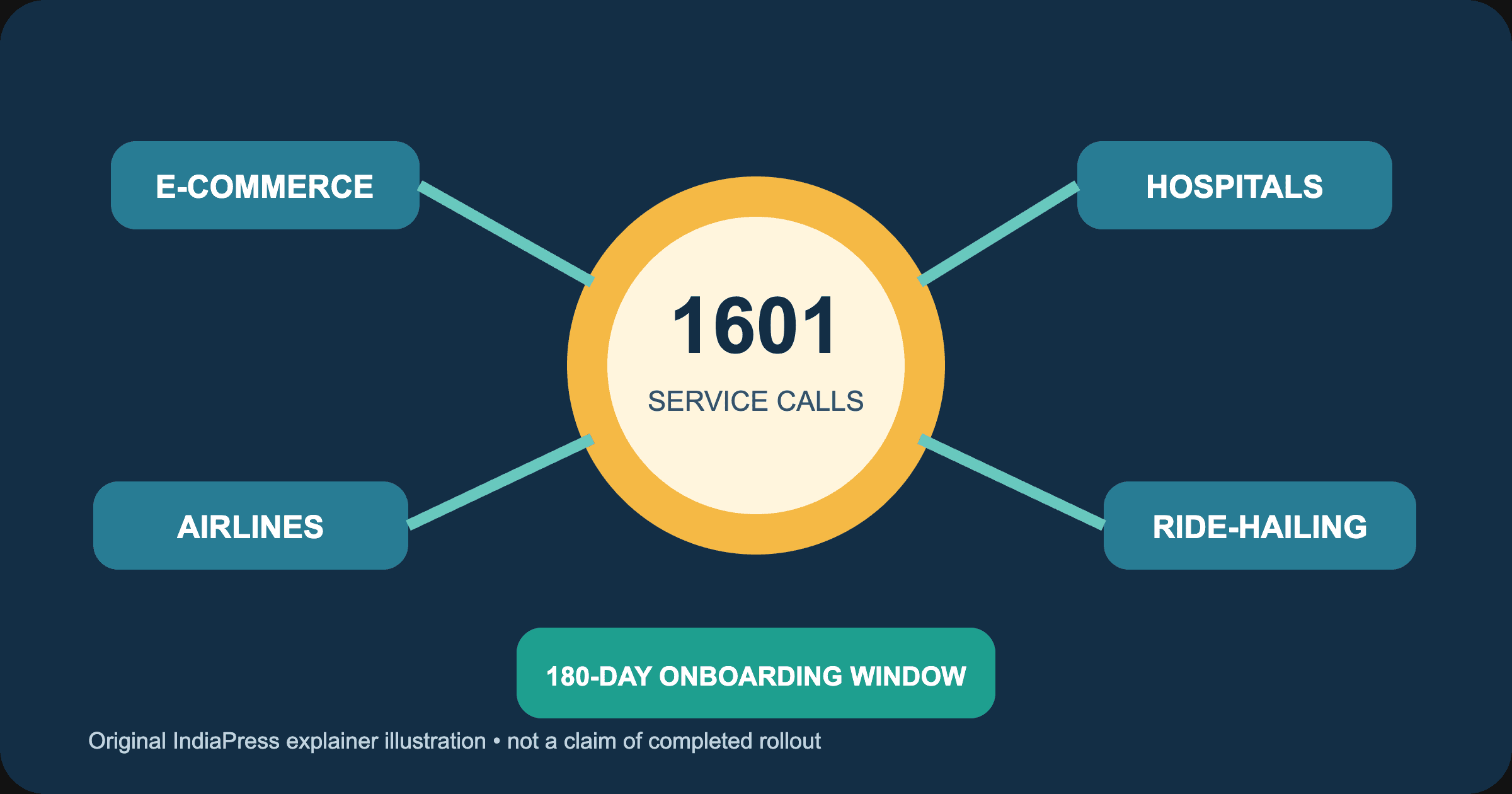
The FBI further says researchers identified more than 1,600 publicly exposed ARTEX console instances in early November. That is a snapshot of exposed instances, not a confirmed count of compromised systems. The advisory includes indicators of compromise, tactics and mitigations for security teams to use when assessing their environments.
What the alert means for Indian organisations
Indian companies do not need to be named in an advisory to use it as a reason to review exposure. Businesses with internet-facing management consoles, remote-access tools, customer portals, cloud workloads or supplier integrations should know which systems are reachable from outside and who can administer them. Smaller firms often rely on a few staff members or a managed service provider, so access reviews should include those external accounts and emergency credentials.
Start with identity. Require multi-factor authentication for administrators and remote access, prioritising phishing-resistant methods where supported. Remove dormant accounts, limit administrator privileges to the people and tasks that need them, and review service accounts and application tokens. An account that has broad permissions but no active owner can turn a stolen password or exposed token into a much larger incident.
Next, review logs for unexpected sign-ins, new administrator grants, unusual authentication failures, unfamiliar remote-management sessions and changes to cloud or backup settings. Retain logs centrally so an attacker with access to one system cannot quietly erase the only record. Compare suspicious activity with the FBI advisory’s indicators and techniques, while remembering that absence of a listed indicator does not prove a system is clean.
Organisations should also check that critical software and internet-facing services are patched, that backup administration is separated from everyday accounts, and that recovery copies cannot be modified using the same credentials as production systems. A supplier should be able to explain its access boundaries, notification process and evidence-retention practices. These steps are basic resilience measures, not a guarantee against every intrusion.
IndiaPress24’s CERT-In cybersecurity controls plan for Indian MSMEs gives a staged checklist that smaller teams can use to organise security work.
If you find signs of compromise
Do not wait for perfect certainty before escalating a credible alert. Contact the organisation’s incident-response lead or managed security provider, preserve relevant logs, and isolate affected devices or accounts where doing so will not destroy evidence or disrupt a critical service without a recovery plan. Avoid deleting suspicious files or wiping machines before responders can collect evidence.
From a known-clean device, revoke or rotate credentials and tokens that may have been exposed, beginning with administrator, remote-access, cloud and backup accounts. Check for persistence such as new accounts, altered recovery settings, unexpected scheduled tasks or modified security policies. Then restore services from verified backups only after responders have addressed the access path that allowed the intrusion.
For Indian organisations, reporting and notification should follow applicable CERT-In directions, sectoral rules and contractual obligations. Keep a timeline of what was observed, what systems were affected and which containment steps were taken. If customer or employee information may be involved, involve legal and privacy teams early so decisions are based on evidence and relevant requirements.
What the alert does not establish
The advisory does not establish that ARTEX caused unrelated outages, that every exposed console was compromised, or that all AI-assisted activity is malicious. Nor does it mean that an organisation should block every AI product. The practical point is narrower: adversaries can use automation to move quickly, so defenders need clear asset ownership, timely logs and practiced response paths.
Security teams should read the advisory directly and map its indicators and mitigations to their own systems. Business leaders can ask a few concrete questions: Which services are exposed to the internet? Who can administer them? Can we detect a new privileged login? Can a compromised cloud account alter backups? Who is called in the first hour? If those answers are unclear, closing the gaps is more useful than buying another tool without an owner or response process.
Conclusion
The FBI’s ARTEX notice is a warning about speed and scale: a framework originally associated with testing can be misused to automate intrusion work, and some reported cases escalated rapidly. For Indian businesses, the response is practical—know what is exposed, strengthen administrator access, centralise logs, protect backups, scrutinise supplier access and rehearse incident handling. Treat the FBI’s indicators as a focused starting point, not a complete list of possible compromise. Fast, evidence-led response can reduce damage even when an attacker uses automation.
Read the FBI FLASH advisory on the ARTEX framework for its full indicators, tactics and mitigation guidance.