
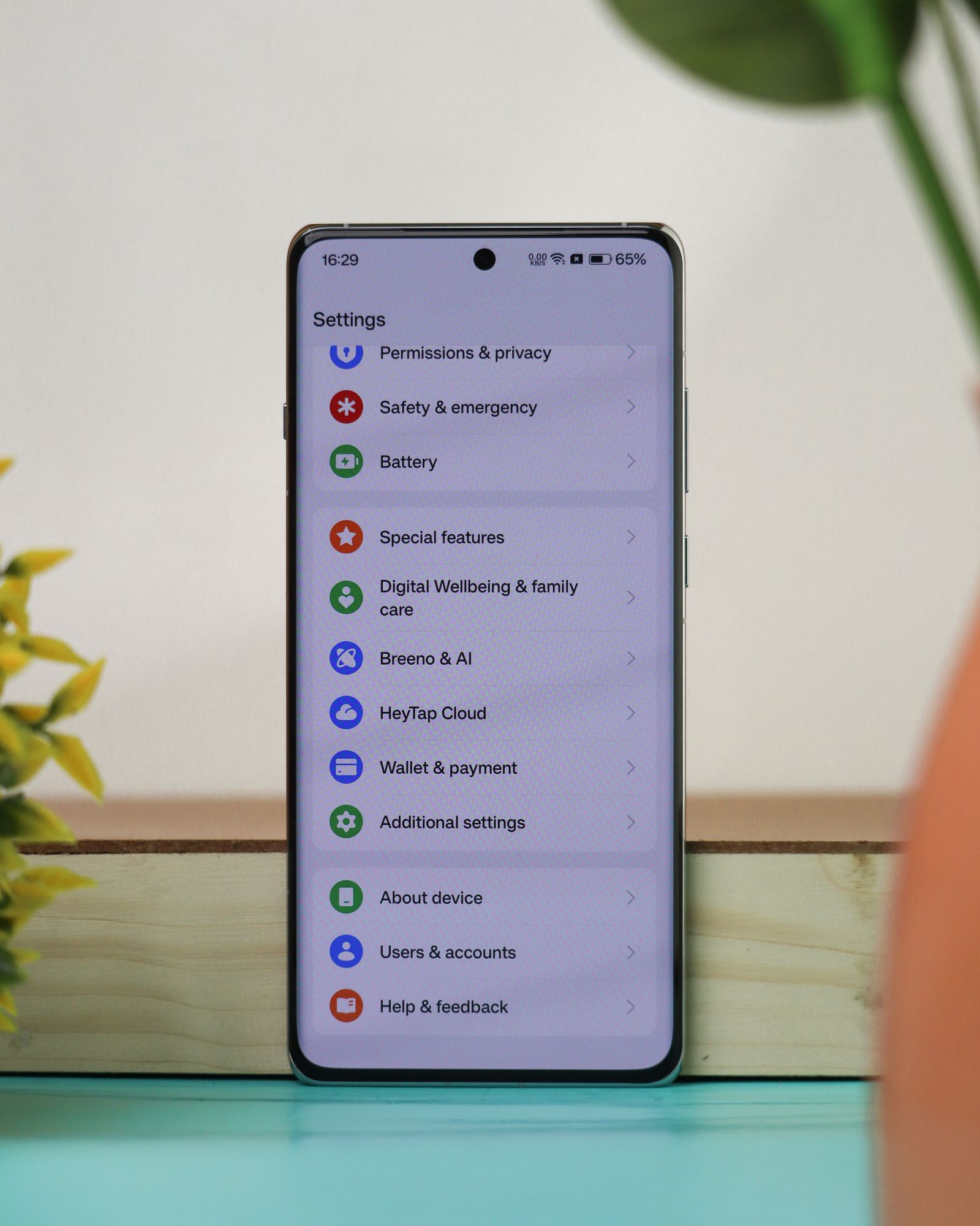
A major phone update creates an awkward choice for a small business. Installing immediately may expose an app or accessory problem; waiting indefinitely leaves every device on a different version. Samsung's One UI 9 rollout gives Indian teams a useful moment to replace that guesswork with a short, staged process.
This is not a feature roundup or a reason to buy a new handset. It is a plan for teams that use Galaxy phones for sales calls, customer messages, field photos, authentication or payments and need to decide when each work device should update.
Start With Eligibility, Not the Announcement Date
Samsung Newsroom India posted its rollout announcement on 25 September. It says the expansion begins with the Galaxy S26 family, notes that the software was already on its latest foldables, and says other Galaxy devices will receive it gradually. It also warns that functions can vary by country, language, model and app. The practical lesson is simple: a global announcement is not proof that every Indian handset has the same build today.
Record the model number, current One UI version, Android version, security patch level and available storage for each work phone. Check the phone's own Software update screen or Samsung Members rather than relying on an unofficial compatibility list. If a device is enrolled in a beta programme, separate it from the stable-update group.
Divide Phones by Business Impact
Do not treat a receptionist's shared phone, a founder's personal handset and a delivery device as identical. Sort devices into three groups before updating:
- Critical: phones used for payment acceptance, authenticator apps, dispatch or the only customer-support number.
- Operational: devices used daily for email, messaging, CRM access or field reporting, with another route available if one fails.
- Low impact: spare devices or handsets whose work can pause without disrupting customers.
Start with one low-impact phone that represents the models your team actually uses. A successful update on a new flagship does not prove that an older A-series handset, a Bluetooth scanner or a company VPN will behave the same way.
Run a Five-Test Pilot Before Wider Installation
The pilot should test work, not merely whether the home screen opens. Use this compact acceptance checklist:
- Make and receive a normal call, then test mobile data and the office Wi-Fi.
- Open the work email, messaging, CRM and attendance apps; confirm sign-in and notifications.
- Test the authenticator, passkey or OTP flow without removing the existing recovery method.
- Connect any essential Bluetooth printer, headset, scanner or vehicle system.
- Capture a photo or document, upload it through the normal work app and confirm the recipient can open it.
Labelled example: a two-person field-sales team could update the spare handset on Tuesday morning, run these tests during the day and review battery drain and notifications on Wednesday. That is safer than updating both representatives just before a client visit.
Review New Features Without Assuming Availability
Samsung's official One UI 9 rollout notice describes Security Brief, Privacy Alerts and an expansion of Scam Detection that includes India. It also places important limits beside those claims: support varies by model, region, language and software version, and automated alerts may not identify every relevant risk.
After the pilot update, confirm whether those controls are actually present and enabled on that model. Check app permissions again, especially for contacts, files, microphone, location and accessibility. A new warning screen can help staff notice a problem, but it does not replace the rule that bank details, remote-access requests and payment messages must be verified through a known channel.
Choose the Rollout Pace With a Simple Matrix
| Pilot result | Business exposure | Next action |
|---|---|---|
| All five tests pass | Low or operational | Update a small batch and monitor for one working day |
| Minor non-critical issue | Workaround exists | Document it, update volunteers first, then reassess |
| Login, payment or accessory failure | Critical workflow affected | Pause that model and contact the app, device or IT support owner |
| Update not offered | Any | Wait for the official staged rollout; do not sideload a package from a message |
This matrix prevents two common extremes: forcing every phone to update on day one, or postponing the update with no review date. The decision belongs to the device model and workflow, not to enthusiasm about a new feature.
Prepare Staff and Recovery Before the Batch
Back up work data that is not already synced, charge each device and schedule the installation outside a customer-facing peak. Confirm that at least one administrator can restore access to work accounts. Keep recovery codes securely outside the phone; do not paste them into a shared chat.
The existing Android security update guidance for Indian businesses is a useful companion for explaining permissions, lost-device reporting and staff ownership. For a consumer-side example of why rollout and region checks matter, IndiaPress24's September Pixel update checklist separates announced features from what is actually available on a device.
Keep a One-Page Update Record
For each model, record the pilot device, build installed, test date, five test results, issues, workaround, approver and next batch date. Add a stop rule: pause if a critical app loses access, repeated battery or network problems appear, or staff cannot complete authentication.
This record matters more than a long policy. It lets another manager understand why rollout continued or stopped, and it gives support teams a precise model and build when something fails.
Conclusion
Indian teams should treat One UI 9 as a controlled operational change, not a race to tap Download. Confirm eligibility, test one representative low-impact phone, check the five real workflows and expand only when the evidence is clean. The next step is to create the device list now, before the update prompt arrives on every desk.