
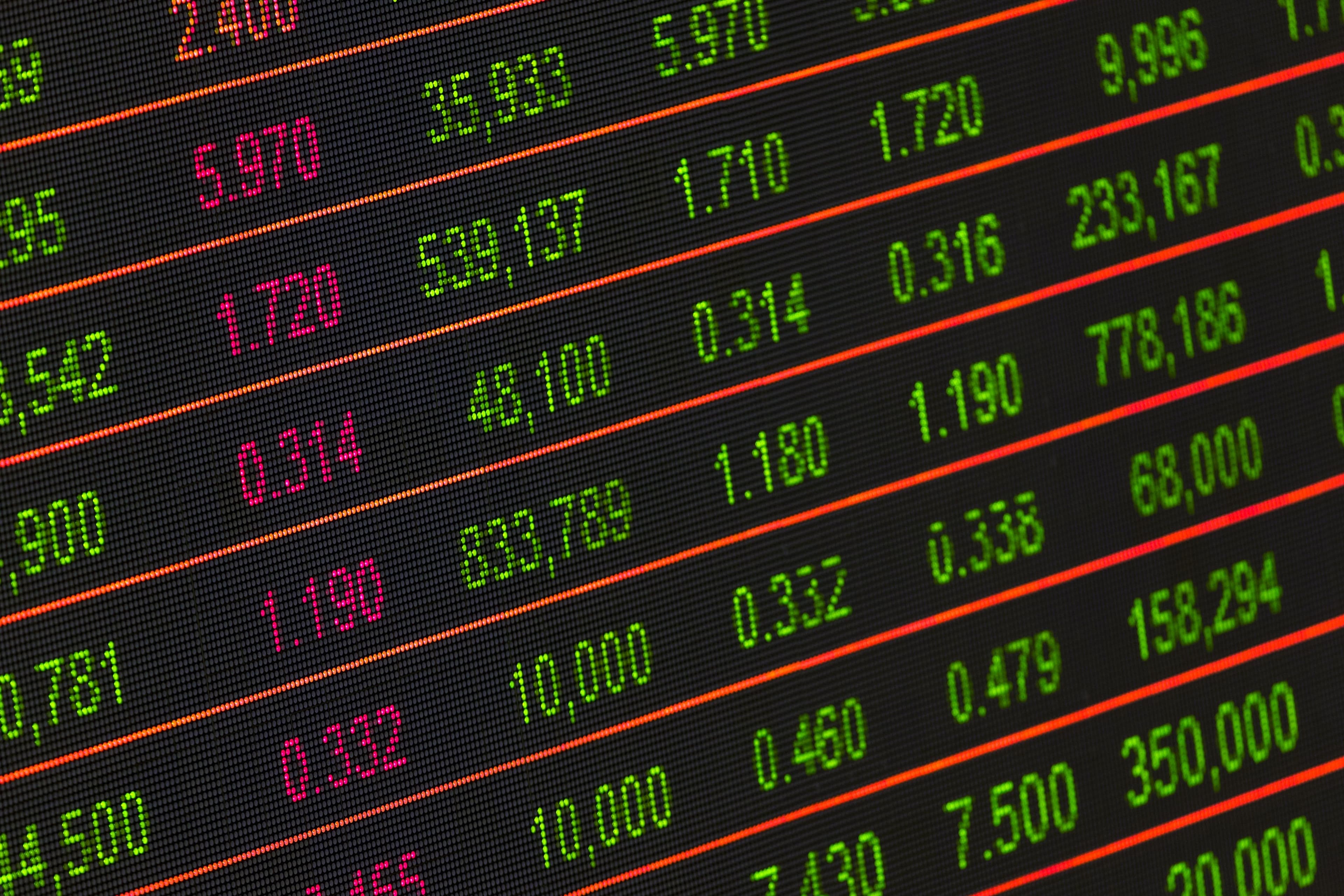
Chinese shares tied to artificial intelligence have fallen hard enough for some investors to call the boom a burst bubble. The sharpest headline is the mainland STAR 50 index: Reuters reported on 26 October that it had lost about 40% in less than four months, erasing roughly $480 billion in market value. Those figures describe a technology-heavy index and its constituents over a particular period. They do not mean every Chinese AI company has lost 40%, or that demand for AI has disappeared.
For an Indian reader, the useful question is what the decline says about the gap between a promising technology and the price investors are willing to pay for it. A share price can collapse even as the underlying industry keeps growing. That distinction matters when assessing Indian technology funds, semiconductor suppliers or any portfolio that has accumulated a large AI theme exposure.
What fell, and when?
The STAR 50 tracks large companies on Shanghai’s technology-focused STAR Market. Reuters’ 26 October analysis put its fall at about 40% from its highs less than four months earlier. The same report said China’s broader blue-chip benchmark had dropped about 20% from June highs. The comparison suggests that the damage was particularly severe in the technology trade, though weakness was not confined to it. IndiaPress24’s Bank Nifty index explainer shows why an index move reflects constituent weights rather than a simple average of stock returns.
Several individual moves were larger. Reuters reported that shares of robot maker Unitree had halved since their August listing, while semiconductor companies MetaX Integrated Circuits and Moore Threads had each roughly halved since July. Optical-component suppliers Zhongji Innolight and Eoptolink were down around 60% from highs reached in June or July. These are different starting dates; putting the percentages side by side does not create a like-for-like performance ranking.
The figures are a dated snapshot, not live quotes. Prices can rebound or fall further after publication. Anyone making a decision should check the latest exchange price, the company’s filings and the exact share class they own.
Why did the market turn?
Reuters found no single obvious trigger. Expensive valuations, uncertainty about whether AI spending will generate enough demand, potential tax bills and the risk of restrictions on Chinese equipment entering overseas data centres all appeared in investors’ explanations. Some of these pressures affect a company’s future sales. Others change how much investors will pay today for the same earnings.
Valuation offers a practical way to see the problem. Reuters reported that the STAR 50 was still trading at around 100 times trailing earnings after the fall, down from a peak near 250 times. At 100 times earnings, buyers are still paying a substantial price for expected growth. A company can deliver genuine products and still disappoint shareholders if its profits grow more slowly than the share price had implied.
The market was also crowded. Citing Goldman Sachs, Reuters said AI-related shares represented 42% of market capitalisation and 57% of turnover across mainland A-shares and Hong Kong H-shares. Those are estimates for a defined universe and classification, not a claim that 42% of every Chinese investor’s portfolio was in AI. They do show why a reversal in one theme could be felt across a broad group of investors.
Does “bubble burst” mean the AI business is finished?
No. “Bubble” is an interpretation of prices and expectations, not a verdict on whether the technology works. The selloff establishes that investors reassessed the value of listed AI, robotics and chip businesses. It does not establish that all projects have failed or that future demand will be weak.
There is room for disagreement about the next move. Reuters reported that some investors saw selective opportunities after the decline, while others wanted lower prices before buying. Both views can be consistent with the same facts: a company may have a viable business, yet its shares may remain expensive relative to current earnings. The key question is whether revenue, margins and cash generation can catch up with the expectations still embedded in the price.
What should an Indian investor check?
The first check is exposure. A fund labelled “global technology”, “China” or “emerging markets” may own AI hardware names directly, or hold a benchmark in which those shares have become concentrated. Read the latest holdings and factsheet rather than relying on the fund’s name. Look at the weight of the top ten stocks and the share of the portfolio tied to a single AI spending cycle.
Second, separate business risk from market risk. A chip supplier might face export restrictions, a robotics company might need to prove recurring demand, and an optical-components maker might depend on a few large data-centre customers. A falling share price by itself does not tell you which risk has changed. The latest filings and customer disclosures are more useful than a percentage decline alone.
Third, consider currency and access. An Indian investor buying an overseas fund faces rupee exchange-rate moves as well as the underlying stock moves. The fund may also hold securities in different markets or share classes. A headline about a mainland index should not be mapped automatically onto a Hong Kong-listed holding or a US depositary receipt.
Finally, avoid treating a 40% fall as proof of a bargain. If a holding was priced for extraordinary growth, a large decline can still leave it expensive. Compare current valuation with credible profit and cash-flow scenarios. If the investment case depends on one optimistic forecast, size the position for that uncertainty rather than using the old peak price as the target.
What comes next?
The next evidence will come from reported orders, revenue, margins, capital spending and the practical effect of trade restrictions. India’s own data-centre investment discussion illustrates why announced AI infrastructure spending must be tested against power, land and operating constraints before it is treated as realised demand. Investors should also watch whether companies seeking new listings can raise money at prices that reflect actual earnings. That would reveal whether enthusiasm is returning on firmer ground or simply chasing the same theme again.
China’s AI-share selloff is a warning about concentrated expectations, not a timetable for every global AI stock. For Indian investors, the immediate task is to identify how much AI exposure they already hold, check whether the companies behind it can justify their valuations, and make any portfolio decision from current evidence rather than the word “bubble”.
Source: Reuters’ 26 October 2026 market analysis. All market figures above are attributed to that dated report. This article is general information, not personal investment advice.